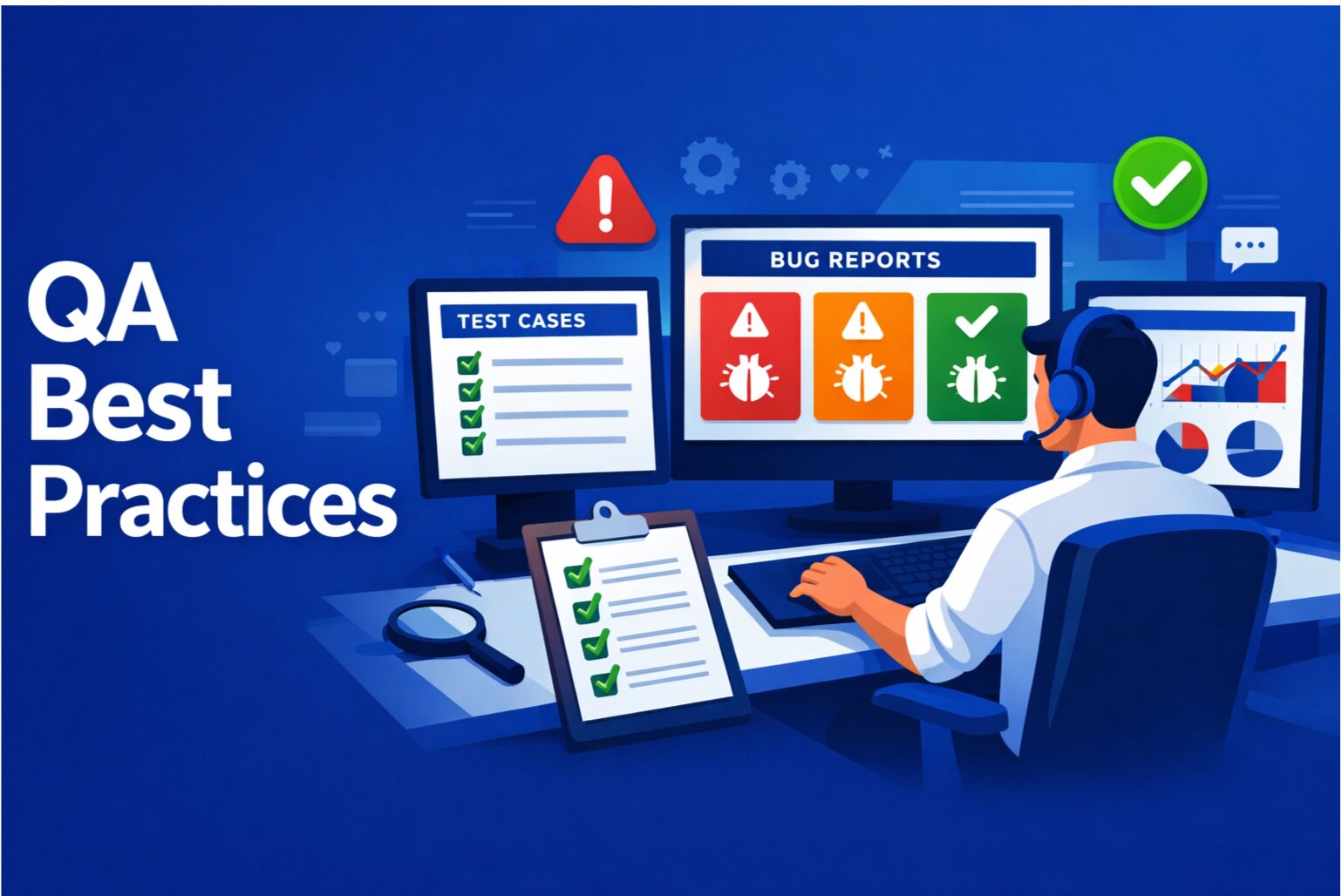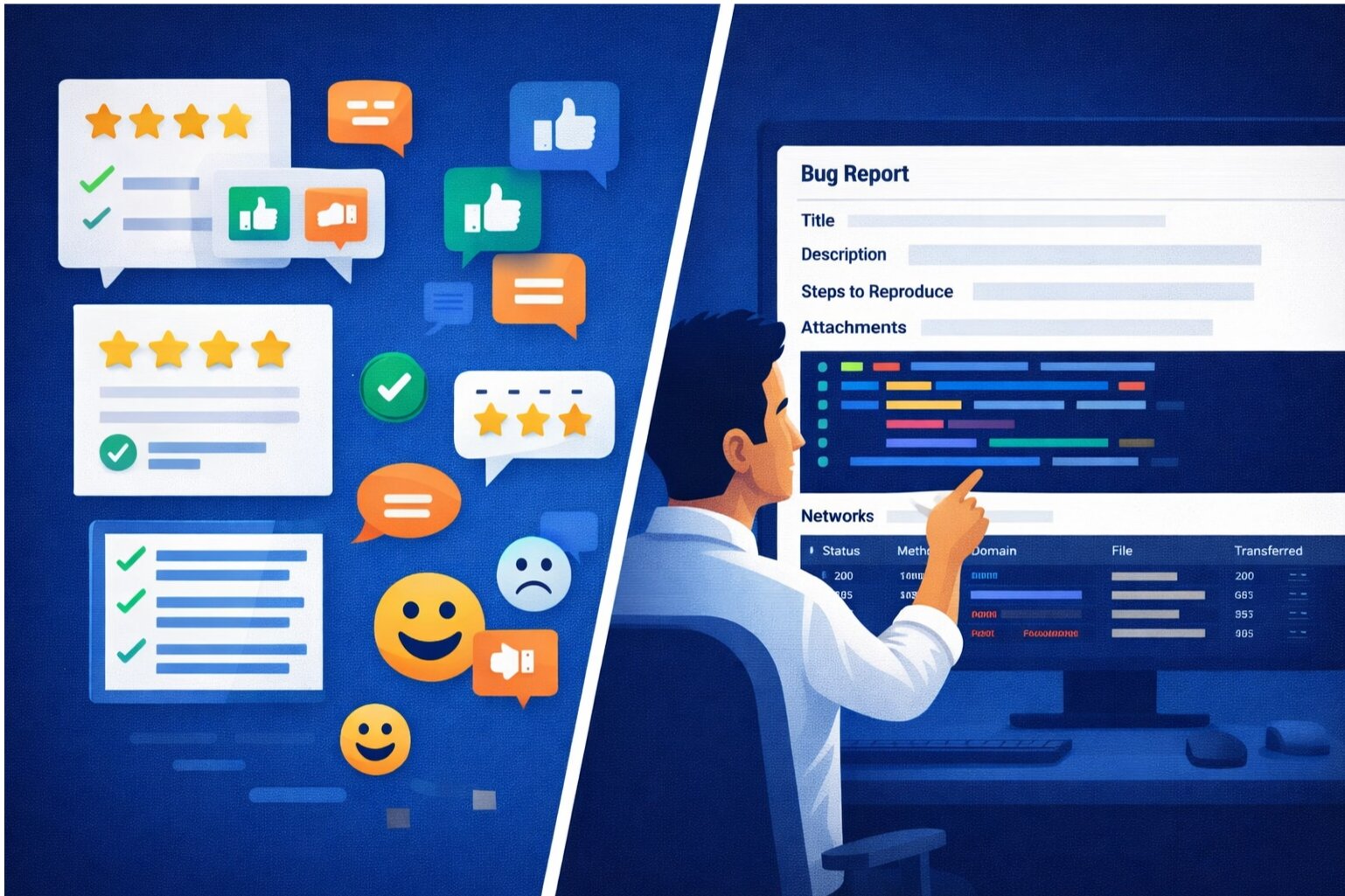
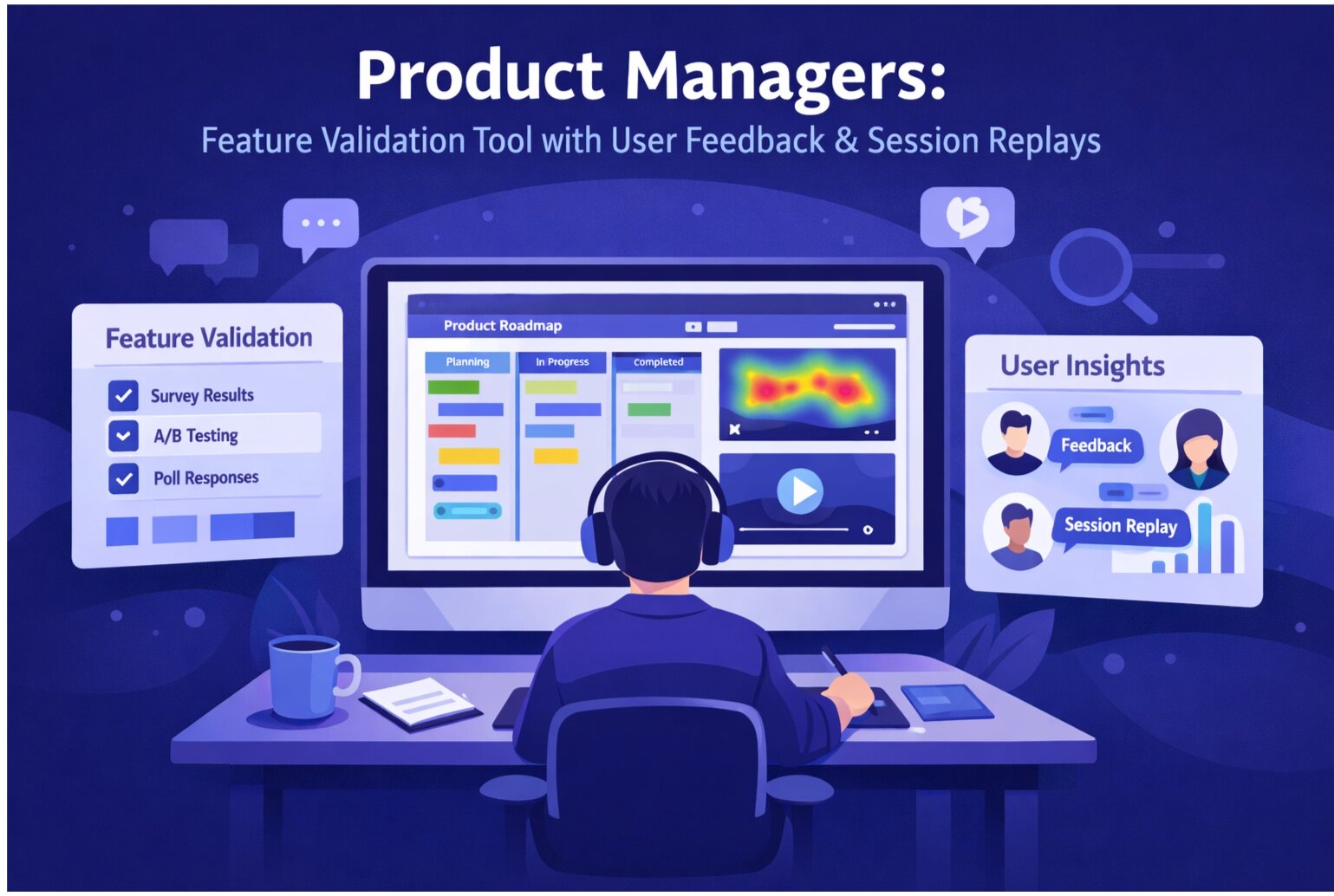
Your backlog has 500 bugs. Which 10 should your team fix this sprint? Manually prioritizing is subjective and time-consuming. Different people rank importance differently. AI prioritization cuts through subjectivity.
The Prioritization Problem
Manual Prioritization: A manager reviews all 500 bugs and manually ranks them. Takes 8 hours. Subjective. Different person might rank them differently tomorrow.
Formula-Based Prioritization: (Severity × Impact × Frequency) = Priority. Sounds objective but oversimplifies. A critical bug affecting 0.1% of users might rank below a high bug affecting 10% of users.
AI Prioritization: Learns from historical data what actually matters. Ranks based on multiple signals: severity, user impact, business context, historical similar bugs.
Signals AI Uses for Prioritization
1. User Impact
How many users are affected?
- "Form validation fails" affects all users trying to submit forms
- "Export to CSV fails" affects only users who export data
- AI learns these impact patterns from your data
2. Revenue Impact
Does this bug cost money?
- "Checkout doesn't work" = Lost revenue (critical)
- "Font is slightly wrong" = No direct revenue impact (low)
- AI can connect bugs to revenue impact if you provide that data
3. Frequency
How often does it occur?
- Happens every 100 page loads = very frequent
- Happens once per million page loads = rare
- Session replay data reveals frequency patterns
4. Historical Importance
Has a similar bug been important in the past?
- "Database connection timeout" has been critical before
- "Typo in button text" has been low priority before
- AI learns from history
5. User Segment
Who is affected?
- Bug affects enterprise customers = higher priority
- Bug affects free trial users = lower priority
- AI weights based on customer value
6. Trend
Is it getting worse?
- 3 reports yesterday, 7 today, 15 today = trending up (rising priority)
- 1 report last month, 0 this month = resolved or rare (lower priority)
How AI Combines Signals
Naive approach: Severity × Impact × Frequency. Simple but wrong.
Better approach: Machine learning model trained on historical bugs:
- What priority did we assign to this type of bug before?
- What was the business impact of delaying this fix?
- How long did similar bugs take to fix?
Model learns complex relationships. "Critical severity" might actually be lower priority if it affects 0.1% of users. "Medium severity" might be highest priority if it affects 50% of enterprise customers.
Real-World Prioritization Examples
Example 1: False Critical
Bug: "Account settings page shows error" Severity: Critical (full feature broken) User Impact: 0.2% of monthly active users Impact Type: Cosmetic (Settings still work, just display an error message) AI Priority: Medium (not critical despite high severity)
Human might delay this. AI correctly identifies it's not urgent.
Example 2: Hidden High-Impact
Bug: "Search results ordering differs from v2" Severity: Low (results are correct, just different order) User Impact: 45% of daily active users use search Impact Type: Major (affects user experience for 45% of traffic) Historical Importance: Similar search issues were business-critical AI Priority: Critical (despite low severity label)
Human might miss this. AI flags it as high priority.
Example 3: Viral Bug
Bug: "Share button doesn't work" Reports Today: 3 Reports Yesterday: 0 Trend: Growing exponentially AI Projection: 50+ reports by tomorrow AI Priority: Escalate to Critical immediately
AI detects trending issues before they become massive problems.
Avoiding AI Prioritization Mistakes
Bias in Training Data
If your historical data is biased (you always prioritized enterprise customers over free users), AI learns that bias. Be aware and correct if needed.
Gaming the System
If team members know AI uses "number of reports" for priority, they might encourage customers to report the same bug repeatedly. Set up checks to prevent this.
Over-Reliance on AI
AI suggests priority. Humans decide final priority. Business context matters. Emergency launches might bump low-priority bugs up. AI can't know everything.
Human-in-the-Loop Prioritization
Best approach:
- AI suggests priority based on data
- Humans review and adjust as needed
- Team discusses edge cases
- Final priority decided by human judgment informed by AI analysis
This balances data-driven objectivity with human wisdom.
Continuous Learning
As you prioritize bugs and see outcomes:
- Bug we fixed quickly → What was the impact?
- Bug we delayed → How much did delay cost?
- Bug we prioritized high → Was it actually high impact?
Feed this feedback back to AI. Prioritization improves over time.
Measuring Prioritization Quality
- Outcome Quality: Did we fix high-impact bugs first?
- Time Efficiency: Did we spend less time on prioritization?
- User Satisfaction: Did user-facing issues get fixed faster?
- Business Impact: Did prioritizing correctly affect revenue or retention?
The Prioritization Advantage
Teams with smart prioritization don't waste time debating which bugs to fix. They spend more time actually fixing them. Backlog moves faster. Ship quality improves.
Let AI handle bug prioritization. SnagRelay's AI learns from your team's patterns and suggests smart priorities so humans focus on solving problems.