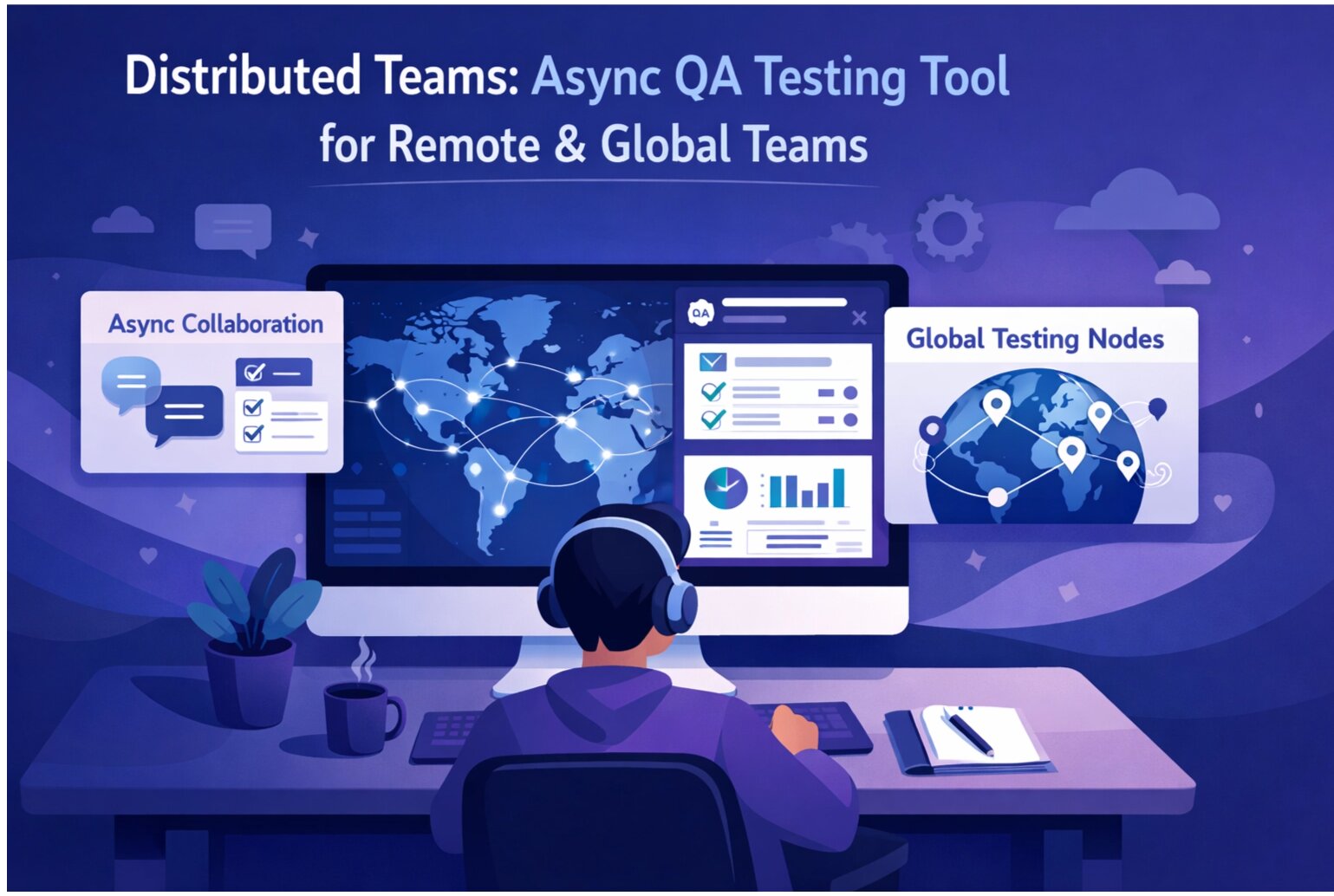
Your QA team spans San Francisco, London, and Tokyo. Your dev team is in NYC and Berlin. How do you coordinate testing without someone waiting for someone else to wake up?
Distributed agencies need async-first QA processes. Real-time coordination is a luxury you don't have. Instead, structure work so teams can work independently, then hand off cleanly.
The Challenge of Time Zone Coordination
Overlap is Limited: San Francisco (UTC-8) and Tokyo (UTC+9) have minimal overlap. By the time SF wakes up, Tokyo is logging off.
Blocking Dependencies: Testing is blocked waiting for development. Development is blocked waiting for QA to approve. Time zones compound the problem.
Async Communication Gaps: "Can we bump the testing deadline?" Takes 24 hours to resolve via email instead of 5 minutes in a meeting.
Async-First QA Framework
1. Shift-Based Testing
Instead of requiring overlap, use shifts:
- Night Shift (Tokyo QA): Tests features developed by day shift in US. Reports issues by end of Tokyo workday.
- Day Shift (US QA): Reviews Tokyo's findings. Investigates issues. Hands off updated build to London.
- Evening Shift (London QA): Tests updates made during day. Reports findings before end of day.
Testing never stops. Each shift tests the previous shift's work.
2. Pre-Defined Testing Scope
Prevent "What should I test today?" uncertainty that wastes async time:
- Features ready by Friday 5 PM San Francisco time
- Tokyo tests these specific features (detailed list, not vague)
- Tokyo provides results by Saturday 6 AM SF time
- US team acts on findings
- London tests updates
3. Structured Issue Documentation
When Tokyo QA finds an issue at 5 PM Tokyo time (12 AM SF), the US team needs complete context:
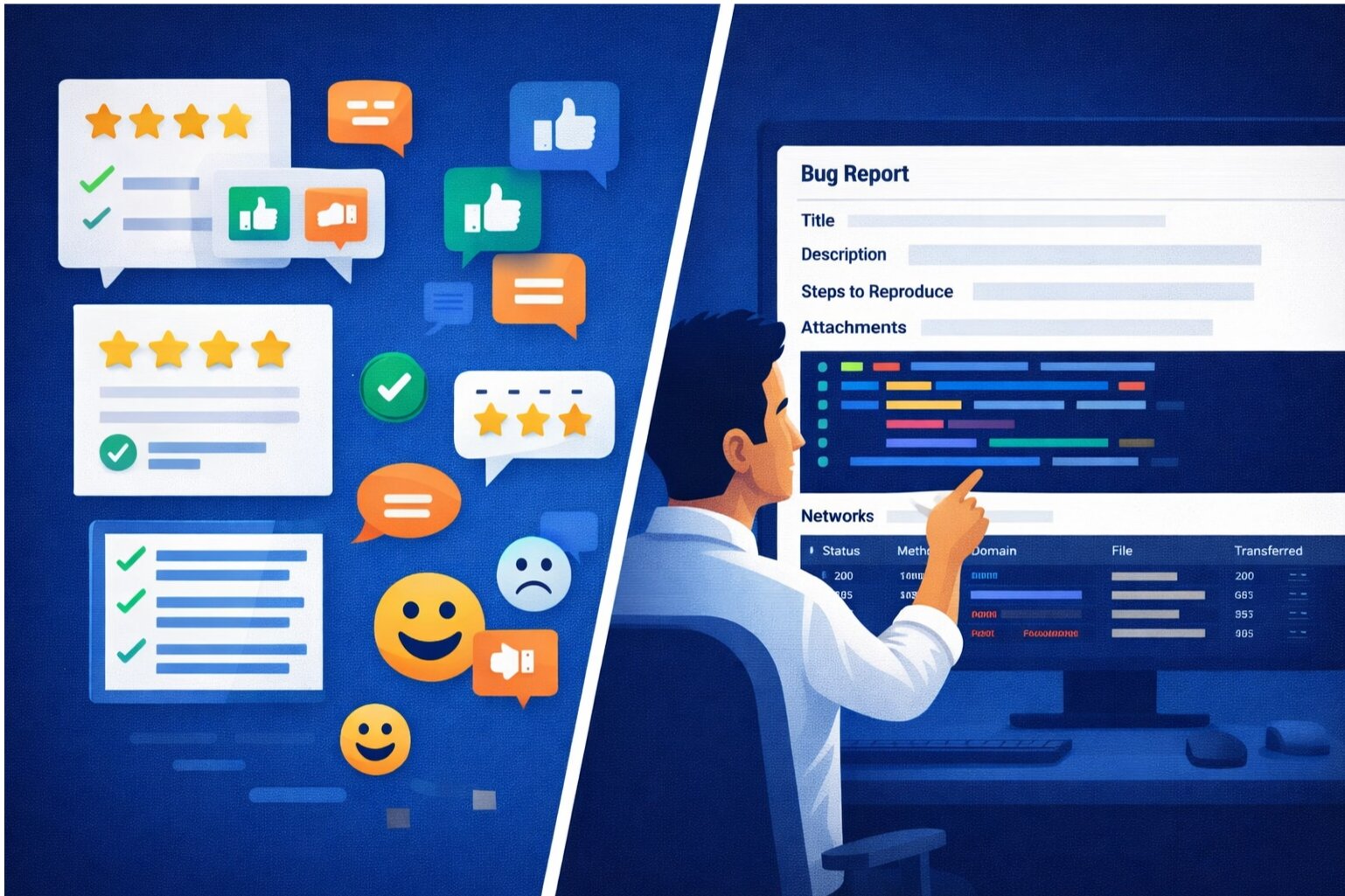
- Title and description
- Reproduction steps
- Screenshot or session replay
- Browser/OS/app version
- Severity
- Suggested fix (if known)
Detailed documentation means US dev team can start investigating immediately when they wake up. No waiting for clarification.
4. Automated Regression Testing
Run automated tests continuously. Don't wait for humans:
- Build deployed → automated tests run
- UI tests, API tests, performance tests
- Results ready before humans even wake up
- Tokyo QA reviews automated results and focuses on manual testing
The Async Testing Workflow
Monday Evening (San Francisco)
Dev team marks features as "Ready for QA" with detailed description of changes.
Deliverable: Feature list, acceptance criteria, known limitations.
Tuesday Morning (Tokyo)
QA team wakes up to features awaiting testing. They test against acceptance criteria. Document findings:
- ✓ Feature works as expected
- ✗ Bug: Form validation fails for email addresses with + sign (reproducible 100%)
- ? Question: Should error message appear inline or in a toast?
Deliverable: Detailed test results with evidence for each finding.
Tuesday Afternoon (San Francisco)
Dev team reviews Tokyo's findings. Implements fixes for bugs. Questions marked for product discussion.
Deliverable: Updated build, fixed bugs, documented answers to questions.
Tuesday Evening (London)
QA retests the fixes. Verifies bugs are resolved. Tests features they haven't seen yet.
Deliverable: Retest results. Approval or additional findings.
Wednesday Morning (San Francisco)
Dev team acts on remaining findings. Builds deployed to staging for final QA round.
Tools That Enable Async QA
Session Replay: Capture interactions once. Team members in any time zone can watch asynchronously.
Automated Screenshots: Visual evidence attached automatically. No need to manually attach files.
Notification System: Alert relevant team members when testing is complete. No need to check email constantly.
Commenting and Threading: Developers can respond to findings with questions. Back-and-forth happens in thread without derailing overall progress.
Managing Dependencies
Testing Blocked by Development
If Tokyo QA finishes testing but finds issues, can US team fix them today? Or does Tokyo need to retest tomorrow?
Solution: Prioritize issues. Critical issues get fixed immediately. Medium issues can wait for next round. Low priority deferred.
Development Blocked by QA Approval
Dev team wants to push feature to production but needs QA signoff in 8 hours. QA team is offline.
Solution: Define "approved" clearly. Automated tests pass, manual tests complete, documentation done = approved. Don't require human signoff for every deployment.
Async Stand-Ups
Instead of daily video calls that require everyone online, use async updates:
Each team posts daily (in their morning):
- What was completed yesterday
- What's in progress today
- Blockers (if any)
- What needs attention from other teams
Limit to 2-3 sentences. Takes 5 minutes to write, 15 to read all updates. No meeting required.
Escalation Path
When something needs immediate sync discussion:
- Post in escalation channel
- Include: What decision is needed, why it's urgent, what options exist
- Set response deadline (e.g., "Need feedback by 3 PM UTC")
Most escalations can wait for async. Urgent ones get quick responses because context is clear.
Quality Despite Distance
Async QA doesn't mean lower quality. It means thoughtful, intentional testing instead of reactive fire-fighting. Each QA shift has time to think through test cases. Each dev shift has complete context to investigate issues.
The Distributed Advantage
Agencies with solid async processes can hire globally. They have 24-hour development and testing cycles. They can respond to production issues immediately because someone is always awake. Geographic distribution becomes a competitive advantage, not a liability.
Build async-first QA workflows. Session replay and structured documentation make distributed teams efficient.