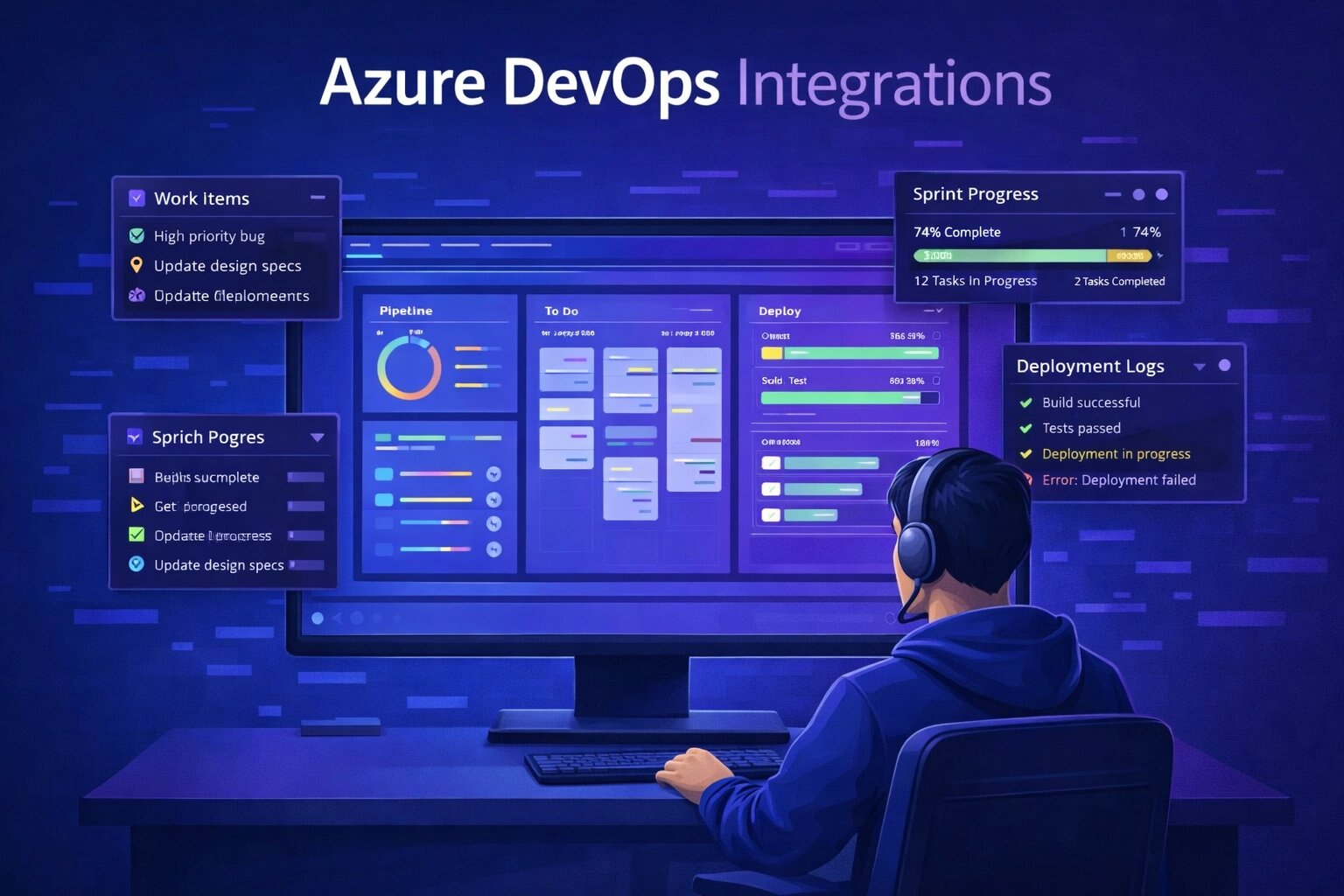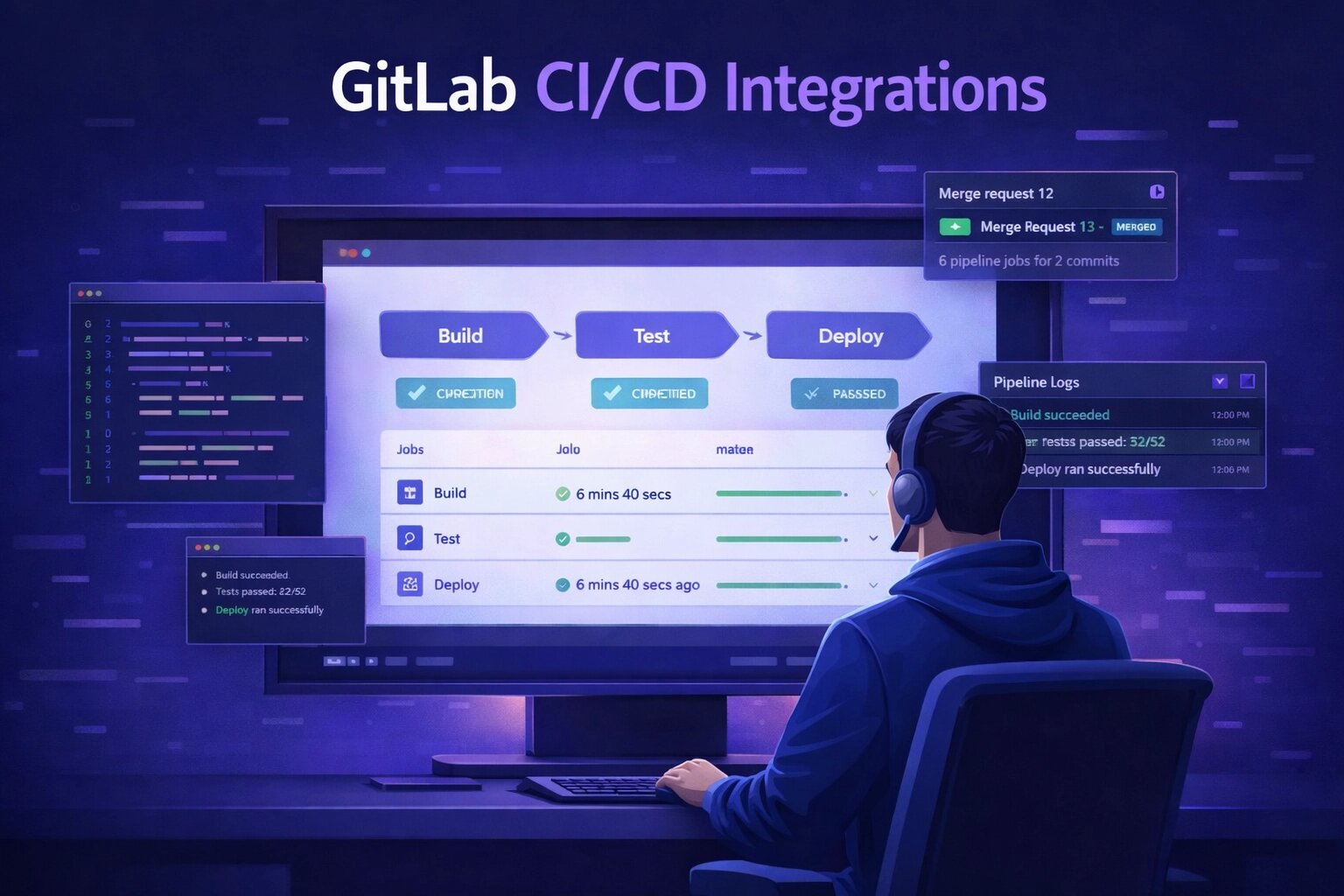
BugHerd supports Jira, Asana, ClickUp, Monday, Linear, Trello, Teamwork, and GitHub. Marker.io supports all of those plus Notion, Basecamp, Wrike, Zendesk, Intercom, and more. Both tools have extensive integration coverage — longer lists than most teams will ever need.
So why do teams using these tools end up sorting bug reports by hand?
The one-destination-per-project constraint
In both BugHerd and Marker.io, each project connects to one destination. You pick Jira, or you pick Asana — not both. If you want to send reports to two different tools, you create two separate projects, each with its own widget embed and its own destination.
For teams where everyone works in the same tool, this is fine. But most teams aren't like that. Dev teams use Jira. Content and marketing teams use Asana or Notion. QA teams might use Linear. These teams work on the same product, and feedback on that product can need to go to any of them.
When your feedback tool can only route to one place, someone has to do the rest of the routing manually. That person — usually a PM or a QA lead — ends up spending time every week forwarding reports between tabs.
What the feature request boards say
Marker.io has an open feature request titled "Add the same integration project multiple times" with dozens of upvotes. Users are asking for the ability to run multiple destinations from one Marker.io project. The request was marked complete for a narrow case (multiple Marker.io projects pointing to the same Jira project) — but routing one project to Jira AND Asana simultaneously is still not supported.
BugHerd's routing model is column-based: you can define that tasks only push to Jira when they reach a certain status column (e.g. "Ready for Dev"). Useful, but it still sends everything to the same destination eventually.
The difference with routing rules
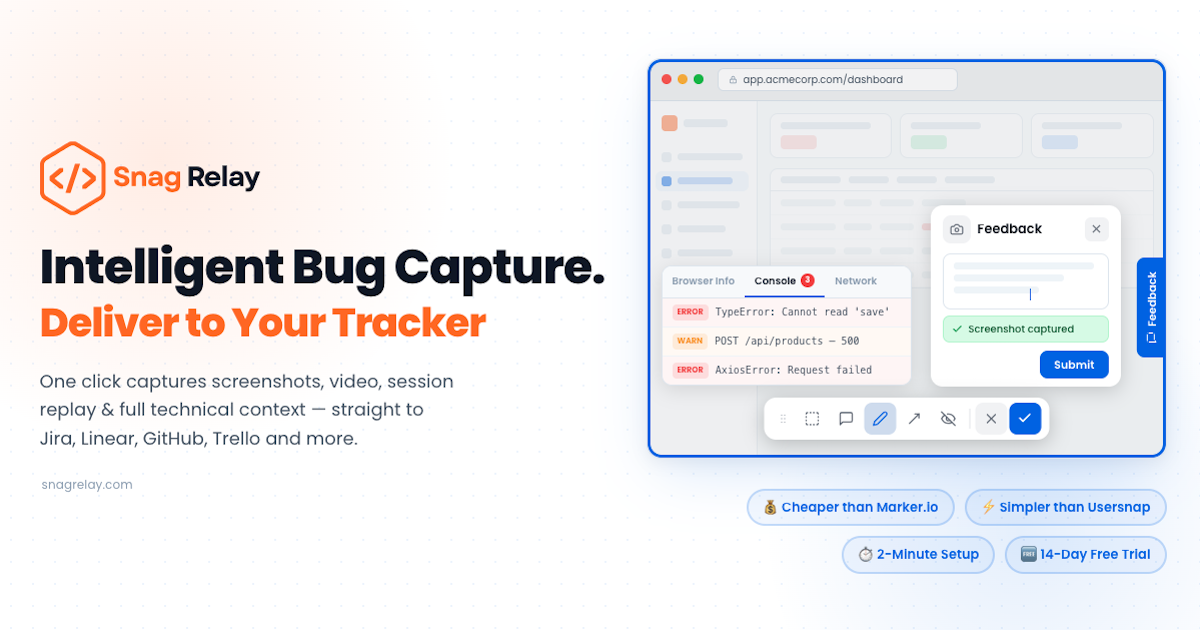
SnagRelay is built from the start for multi-destination routing. A single project can have Jira, Asana, and Trello all connected simultaneously. You define rules by feedback type: bug reports go to Jira, content tasks go to Asana, client visual feedback goes to Trello. Reports are classified and routed when they arrive — no manual forwarding, no second widget, no second project to manage.
Each integration keeps its own field mapping. The Jira ticket gets a different set of fields than the Asana task. Everything is configured once per integration, then runs automatically.
If you're currently on BugHerd or Marker.io and routing reports by hand between tools, this is the gap that's causing it.